Tel. (+52) 686 405 1012 USA: (+1) 442 231 0496 Mon-Sat: 8:00AM - 7:00 PM


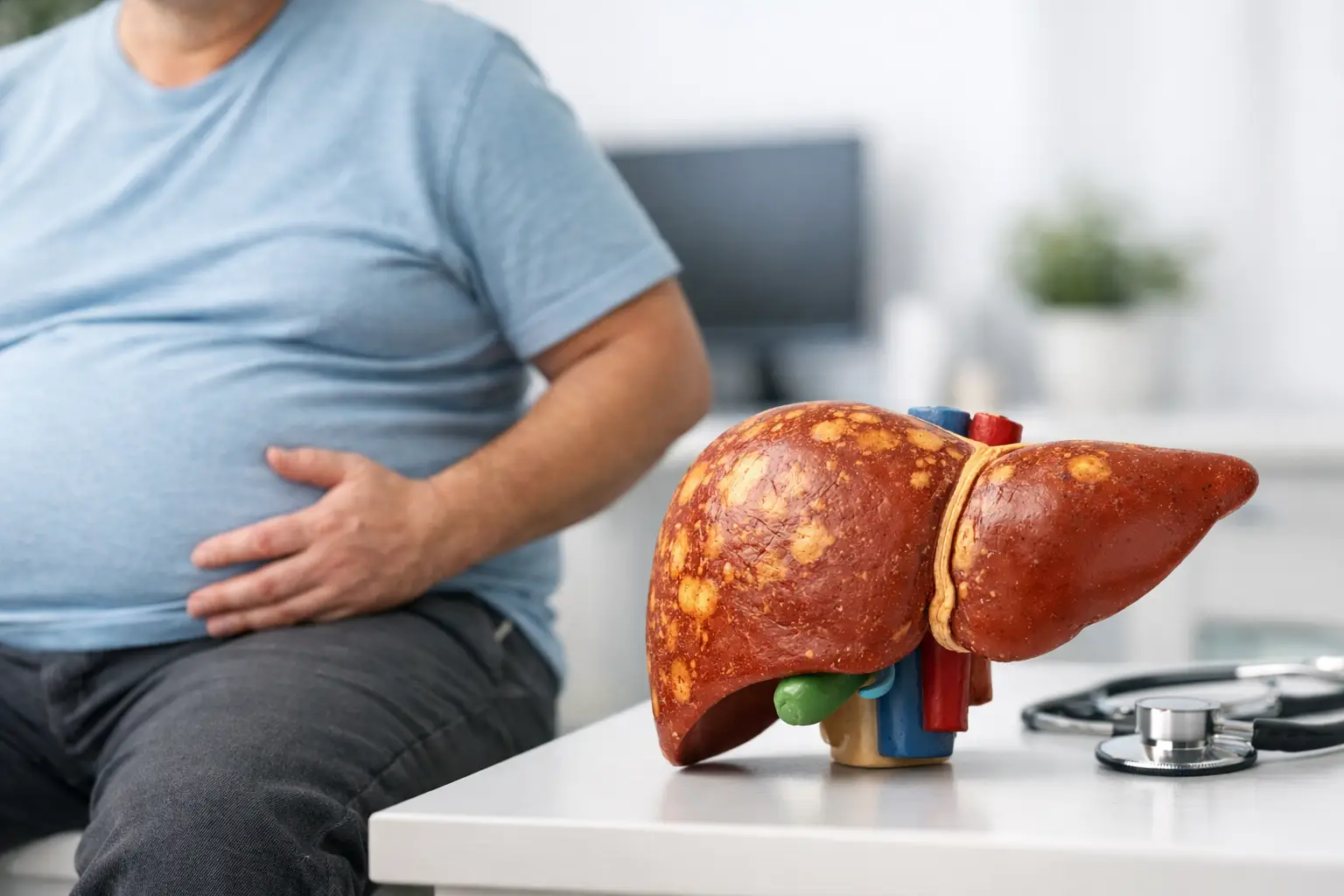
For many people, fatty liver disease has no obvious symptoms at first. A routine blood test may show elevated liver enzymes, or an ultrasound ordered for another reason may reveal fat in the liver. So, can obesity cause fatty liver? Yes. Excess body weight, particularly abdominal fat and insulin resistance, is one of the strongest risk factors for fat buildup in the liver.
The encouraging part is that fatty liver often improves when its underlying metabolic drivers are addressed. That does not mean every person needs the same treatment or that rapid weight loss is the answer. It means a thoughtful medical evaluation and a sustainable plan can protect both liver health and long-term health.
How obesity can cause fatty liver
The liver processes nutrients, helps regulate blood sugar, produces bile, stores energy, and filters substances from the blood. When the body takes in more energy than it uses over time, especially in the setting of insulin resistance, more fatty acids can circulate and be stored in the liver.
Obesity does not affect everyone in exactly the same way. Genetics, diet, physical activity, sleep, medications, alcohol use, menopause, and conditions such as type 2 diabetes can all influence risk. Still, central obesity – carrying more weight around the abdomen – is closely associated with metabolic dysfunction and liver fat accumulation.
This condition is now commonly called metabolic dysfunction-associated steatotic liver disease, or MASLD. You may also hear the older term nonalcoholic fatty liver disease, or NAFLD. Both terms describe fat accumulation in the liver that is not primarily caused by heavy alcohol use.
Insulin resistance is a key part of the connection. When cells do not respond well to insulin, the body has more difficulty managing glucose. The liver may then make and retain more fat. High triglycerides, high blood pressure, prediabetes, and type 2 diabetes often occur alongside fatty liver because these conditions share metabolic roots.
Fatty liver is not always harmless
Simple fat buildup in the liver may remain stable for years, and many people never develop serious liver damage. But in some patients, liver fat is accompanied by inflammation and injury. This more serious form may progress to fibrosis, meaning scar tissue develops in the liver.
Over time, advanced fibrosis can lead to cirrhosis, liver failure, or liver cancer. The risk is not the same for every patient, and progression is usually gradual. However, waiting for symptoms is not a reliable strategy. Liver disease can become advanced before a person notices jaundice, abdominal swelling, confusion, or severe fatigue.
Fatty liver also matters beyond the liver itself. It is associated with a higher risk of cardiovascular disease, type 2 diabetes, sleep apnea, and kidney disease. For patients living with obesity, addressing metabolic health can offer benefits that extend well beyond a number on the scale.
Who should consider testing?
A clinician may recommend screening or further evaluation if you have obesity, a large waist circumference, prediabetes or diabetes, high cholesterol or triglycerides, high blood pressure, or a family history of liver disease. Testing is particularly worth discussing if routine blood work shows elevated ALT or AST liver enzymes.
Normal liver enzymes do not always rule out fatty liver or fibrosis. Depending on your history and test results, your medical team may use blood tests, an abdominal ultrasound, specialized imaging to estimate liver stiffness, or noninvasive fibrosis scores. A liver biopsy is not needed for every patient, but it may be considered when the diagnosis is uncertain or advanced liver disease is suspected.
Be open about alcohol intake, supplements, and all medications during your evaluation. Alcohol-related liver disease, viral hepatitis, autoimmune liver conditions, and certain medications can also cause liver abnormalities. The right plan begins with identifying what is actually affecting your liver.
Symptoms can be subtle
Many patients feel completely well. Others experience nonspecific symptoms such as fatigue or a feeling of fullness in the upper right abdomen. These symptoms alone cannot diagnose fatty liver, but they are a reason to speak with a qualified clinician when they persist.
Seek prompt medical care for yellowing of the eyes or skin, vomiting blood, black stools, new abdominal swelling, severe confusion, or unexplained easy bruising. These can be signs of significant liver disease and should not be managed with an online weight-loss plan alone.
Weight loss can improve liver health
For many people with obesity-related fatty liver, gradual, clinically supervised weight loss can reduce liver fat and improve insulin sensitivity. Even modest weight loss may help. Greater weight loss is often associated with a better chance of improving inflammation and fibrosis, although individual results depend on the severity of disease and other health conditions.
Nutrition changes matter, but extreme restriction is rarely a lasting solution. A practical approach often emphasizes adequate protein, fiber-rich foods, vegetables, minimally processed carbohydrates, and reduced intake of sugar-sweetened beverages and highly refined foods. Regular movement supports insulin sensitivity, even before significant weight loss occurs.
Alcohol deserves special attention. If you have fatty liver, ask your clinician what amount of alcohol, if any, is appropriate for your situation. This is especially important when liver inflammation or fibrosis is present.
Medications for obesity and diabetes may also be appropriate for some patients. These treatments can support meaningful weight loss and metabolic improvement, but they require individualized prescribing and follow-up. They are not interchangeable, and a medication that is appropriate for one patient may not be safe or effective for another.
When bariatric surgery may be part of the plan
For patients with obesity who have not achieved sustained results with lifestyle treatment alone, bariatric surgery can be a medically appropriate option. Procedures such as sleeve gastrectomy and gastric bypass are designed to support substantial, durable weight loss and can improve insulin resistance, type 2 diabetes, high blood pressure, and other obesity-related conditions.
Research has shown that bariatric surgery can reduce liver fat and improve liver inflammation in many patients. It may also help slow or improve fibrosis in selected cases. Still, surgery is not a stand-alone cure for every liver condition. Patients need preoperative testing, nutritional guidance, ongoing follow-up, and a plan for vitamin and protein intake after surgery.
The best procedure depends on factors such as BMI, reflux symptoms, diabetes status, prior abdominal surgery, eating patterns, medication needs, and liver findings. Patients with suspected advanced fibrosis or cirrhosis need careful evaluation by clinicians experienced in both bariatric and liver care. In some cases, the risks of surgery or anesthesia need to be weighed more closely.
At Obesity Baja Point, bariatric care is approached as a structured metabolic-health decision, with preoperative evaluations and personalized support designed to help patients understand their options. For US patients traveling to Mexicali, clear coordination of testing, procedure planning, recovery, and follow-up is especially important.
What to do after a fatty liver diagnosis
A fatty liver diagnosis is useful information, not a reason for shame. Obesity is a complex chronic disease influenced by biology, environment, behavior, medications, and access to care. Blaming yourself does not improve liver health; getting an accurate assessment and support does.
Start by asking your clinician about the likely cause of your liver fat, whether there are signs of inflammation or fibrosis, and what amount of weight loss would be meaningful for your health. If you have diabetes, high triglycerides, sleep apnea, or high blood pressure, make sure those conditions are being managed as part of the same plan.
Avoid unproven detoxes, crash diets, and supplements marketed as liver cleanses. Some supplements can injure the liver, and rapid, unsupervised weight changes can create other health problems. A plan that is safe enough to maintain is more valuable than a dramatic plan you cannot sustain.
Your liver has a remarkable ability to respond when metabolic health improves. Whether your next step is nutrition support, medication, a structured weight-management program, or a discussion about bariatric surgery, timely care can turn a silent finding into an opportunity to feel better and reduce future risk.