Tel. (+52) 686 405 1012 USA: (+1) 442 231 0496 Mon-Sat: 8:00AM - 7:00 PM


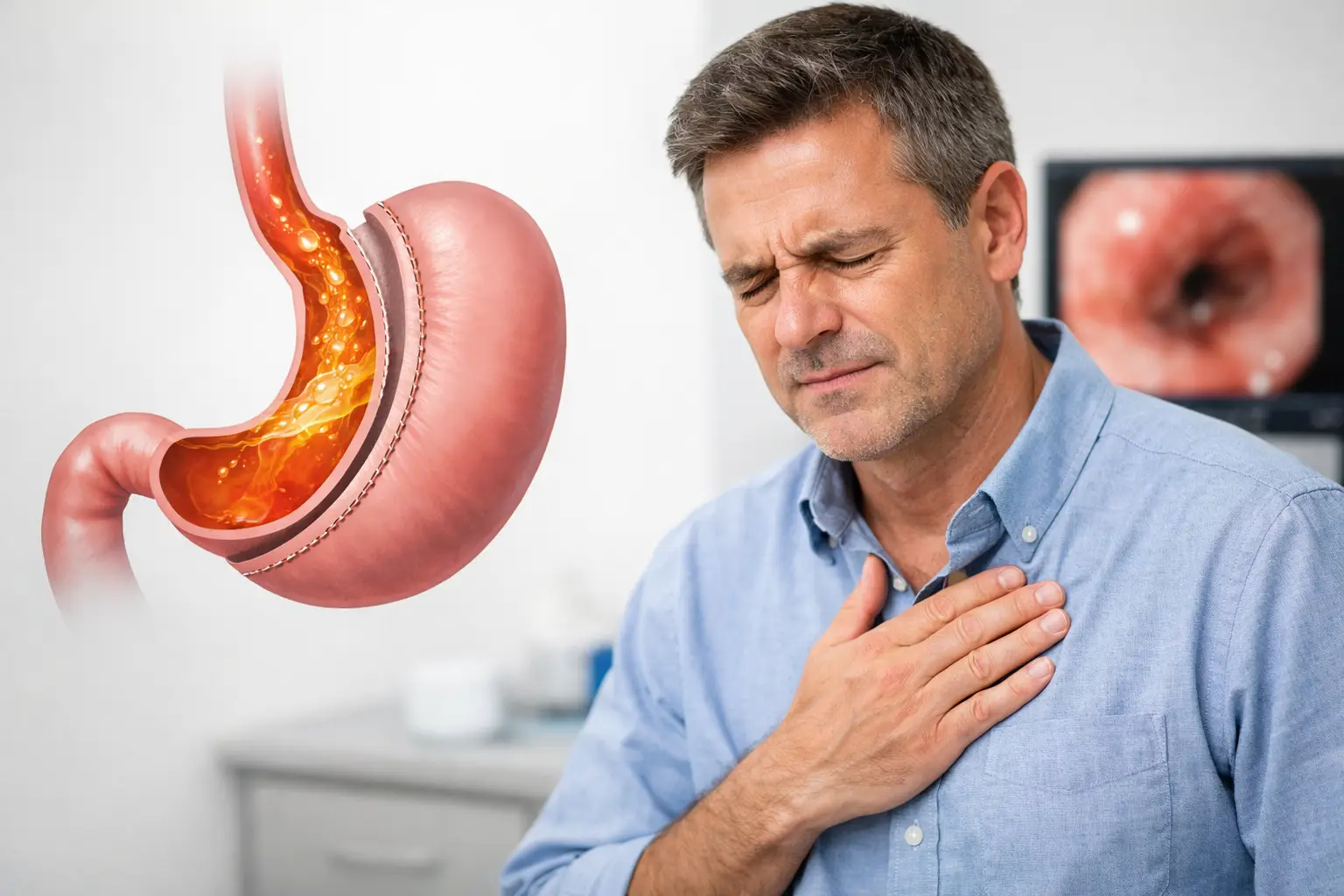
Heartburn that wakes you at night, a sour taste after meals, or needing antacids most days can make choosing a bariatric procedure feel more complicated. Can gastric sleeve treat reflux? For most patients with established gastroesophageal reflux disease, or GERD, the answer is no. Gastric sleeve surgery can improve weight-related pressure on the abdomen, but it may also trigger or worsen reflux in some people.
That does not mean gastric sleeve is never appropriate for a patient with occasional heartburn. It means reflux deserves a careful, procedure-specific evaluation before surgery. The best choice depends on the severity of symptoms, test findings, anatomy, weight-loss goals, medical history, and the ability to commit to follow-up care.
Why reflux and obesity are closely connected
GERD occurs when stomach contents flow backward into the esophagus, the tube that carries food from the mouth to the stomach. This can cause burning in the chest, regurgitation, chronic cough, hoarseness, throat irritation, nausea, or difficulty swallowing.
Obesity can increase reflux risk in several ways. Excess abdominal pressure can push upward on the stomach. A hiatal hernia, where part of the stomach moves through the diaphragm, is also more common in people with obesity and can make symptoms worse. Certain foods, alcohol, smoking, large meals, and lying down soon after eating may add to the problem.
Weight loss often improves reflux symptoms. However, the method used to achieve that weight loss matters. Bariatric procedures change the stomach and digestive anatomy differently, so they do not have the same effect on GERD.
Can gastric sleeve treat reflux, or can it make it worse?
Sleeve gastrectomy removes a large portion of the stomach and creates a narrow, tube-shaped stomach. It is an effective metabolic and weight-loss procedure for many qualified patients. It also does not reroute the intestines, which is one reason some patients prefer it.
For reflux, though, the result is less predictable. Some patients experience improvement after gastric sleeve because substantial weight loss reduces abdominal pressure. Others develop new reflux after surgery or notice that existing GERD becomes more frequent or harder to control.
The sleeve’s narrow shape and higher internal pressure may contribute to reflux. The procedure can also affect the angle and valve-like function at the junction between the esophagus and stomach. If the sleeve is too narrow, twisted, enlarged over time, or associated with an unrecognized hiatal hernia, symptoms can become significant.
This is why gastric sleeve should not be presented as a primary treatment for GERD. If severe reflux is already present, a sleeve may carry a meaningful risk of ongoing symptoms, long-term acid-suppressing medication use, inflammation of the esophagus, or the need for revision surgery later.
When gastric sleeve may still be considered
A history of occasional, mild heartburn does not automatically rule out sleeve gastrectomy. A bariatric surgeon may consider a sleeve when symptoms are infrequent, respond well to treatment, and testing does not show significant esophageal injury or high-risk anatomy.
Repairing a hiatal hernia during sleeve surgery may improve reflux control for selected patients. Still, hernia repair is not a guarantee that reflux will disappear after a sleeve. Patients should understand that their symptoms need monitoring after surgery and that medication or a future change in procedure may be necessary in some cases.
The decision is more cautious when a patient has daily reflux, nighttime symptoms, regurgitation, difficulty swallowing, Barrett’s esophagus, erosive esophagitis, or a large hiatal hernia. These findings can shift the discussion toward a different operation.
Symptoms that warrant a closer workup
Frequent heartburn is not the only concern. Tell your bariatric team about coughing at night, chest discomfort after meals, repeated vomiting, a persistent sensation of food sticking, unexplained throat symptoms, or a need to sleep elevated. These symptoms do not confirm GERD on their own, but they can point to a problem that needs further evaluation.
Difficulty swallowing, vomiting blood, black stools, unexplained anemia, or unintentional weight loss require prompt medical assessment. Do not assume these are routine reflux symptoms or wait for bariatric surgery to address them.
Why gastric bypass is often preferred for significant GERD
Roux-en-Y gastric bypass is commonly considered the more reflux-friendly bariatric option for patients with clinically significant GERD. The procedure creates a small stomach pouch and reroutes part of the small intestine. This reduces the amount of acid exposure reaching the esophagus and can lead to substantial improvement in reflux symptoms for many patients.
For a patient living with obesity, difficult-to-control GERD, and a need for durable weight loss, bypass may address two important health concerns with one operation. It may also be considered when a patient has developed severe reflux after a previous sleeve.
Bypass is not a casual substitute for sleeve surgery. It is a more anatomically complex procedure and requires lifelong attention to vitamins, minerals, protein intake, and follow-up laboratory testing. Some patients can experience dumping syndrome, marginal ulcers, bowel obstruction, or other complications. The right operation is the one that fits the patient’s clinical needs, not simply the procedure with the most appealing recovery story.
Mini gastric bypass may also be discussed in certain bariatric practices, but reflux considerations require individualized surgical judgment. Because bile reflux can be a concern with some procedures, a surgeon should explain why a particular operation is being recommended for your anatomy and symptoms.
What a proper preoperative reflux evaluation may include
Choosing between sleeve and bypass should not rely on a quick symptom checklist alone. At Obesity Baja Point, procedure planning is designed around a medical evaluation, preoperative testing, and direct discussion with a qualified bariatric surgery team.
Depending on your history, the evaluation may include an upper endoscopy to examine the esophagus and stomach for inflammation, ulcers, Barrett’s changes, or a hiatal hernia. Your physician may also recommend a contrast swallow study, esophageal pH monitoring to measure acid exposure, or manometry to assess esophageal muscle function.
Not every patient needs every test. The goal is to identify the findings that could make one procedure safer or more effective than another. Be direct about over-the-counter antacid use, prescription proton pump inhibitors, prior endoscopies, prior abdominal surgery, smoking, alcohol use, and family history of esophageal disease. Accurate information helps your team avoid treating reflux as an afterthought.
Questions to ask before choosing a procedure
During your consultation, ask whether your reflux symptoms make gastric sleeve a reasonable option and what testing supports that recommendation. Ask whether you have a hiatal hernia, whether it can be repaired during surgery, and how often the surgeon sees reflux worsen after sleeve procedures.
It is also reasonable to ask what happens if reflux persists. Will you need medication? What follow-up is included? Under what circumstances would revision from sleeve to gastric bypass be considered? Patients traveling from the United States to Mexicali should also understand their postoperative plan before they return home, including diet progression, warning signs, communication with the care team, and coordination with local physicians when needed.
Transparent answers matter. Bariatric surgery is a structured medical decision, not a one-size-fits-all purchase.
Managing reflux after gastric sleeve
If reflux develops after sleeve surgery, treatment usually begins with a medical and anatomical assessment. Acid-reducing medication, smaller meals, avoiding food close to bedtime, limiting trigger foods, and avoiding tobacco may help. Continued weight loss can also reduce symptoms for some patients.
Persistent symptoms should not be ignored. Your surgeon may recommend endoscopy or imaging to look for a hiatal hernia, sleeve narrowing, twisting, dilation, or esophageal irritation. When medication and lifestyle measures are not enough, conversion to gastric bypass can be an effective revision option for appropriately selected patients.
The most useful next step is not to choose a procedure based on a single promise about heartburn. Bring your reflux history into the consultation early, ask for a clear explanation of your testing, and choose a surgical plan built around both long-term weight health and protection of your esophagus.