Tel. (+52) 686 405 1012 USA: (+1) 442 231 0496 Mon-Sat: 8:00AM - 7:00 PM


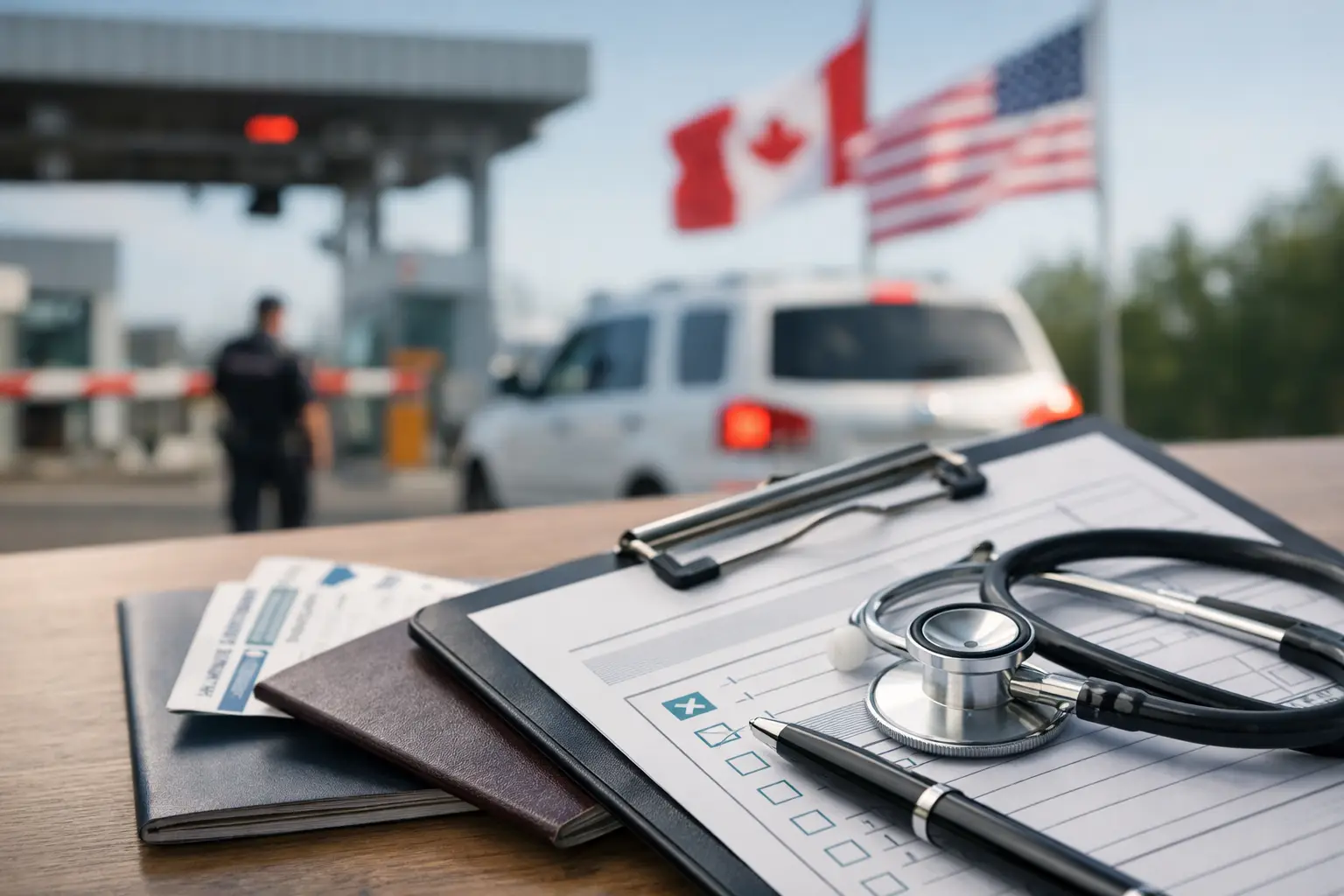
A bariatric procedure in Mexicali involves more than choosing the right surgery and arranging time away from work. Your border crossing medical documents should be organized before you travel, not while you are recovering in a hotel room or preparing to return home. A clear document plan can reduce avoidable stress, help you communicate with border officials if questions arise, and give your care team useful information if you need follow-up after surgery.
Medical paperwork does not replace the travel documents required for admission to Mexico or return to the United States. However, it can explain why you are traveling, support safe medication management, and help make your recovery plan easier to follow.
Start With Your Required Travel Identification
Your passport, passport card, or other accepted travel document is separate from your medical file. What you need can vary based on citizenship, immigration status, age, how you cross the border, and current government requirements. Confirm the rules that apply to your specific situation well before your procedure date.
If you are traveling with a companion, each traveler should carry their own required identification. Patients should also make sure that the name on their medical records matches the name on their travel identification. A difference caused by marriage, divorce, or a shortened first name can create unnecessary questions, especially when prescriptions or appointment letters are involved.
Keep original travel identification secure and accessible. It should not be packed into checked luggage or buried inside a large suitcase. Make photocopies or secure digital copies for backup, but remember that copies do not substitute for original documents at the border.
Border Crossing Medical Documents for Surgery Patients
For a planned bariatric procedure, your clinic should be able to provide documentation that identifies the facility, your treating physician, the date of care, and a way to contact the clinical team. This is particularly useful if you are traveling with post-operative supplies, need to explain an extended stay, or require medical attention after returning to the United States.
Ask what documents will be provided before you leave Mexico. The exact packet depends on the procedure and your health history, but it commonly includes a medical summary, operative report or procedure note, discharge instructions, medication list, laboratory or diagnostic results when relevant, and follow-up recommendations.
A concise physician letter can be helpful. It should state that you received medical care, identify the general procedure without disclosing more personal detail than necessary, and list contact information for the clinic. For patients who have undergone gastric sleeve surgery, gastric bypass, or mini gastric bypass, this letter can also clarify expected recovery restrictions and the need to carry prescribed medications.
A detailed surgical record is valuable after you get home, even if no issue develops. Your primary care provider, emergency department, or local specialist may need to know which procedure was performed, when it was performed, and whether there were any findings during surgery. Keep this record in a place you can access quickly.
Your discharge instructions matter after the border
Discharge paperwork is not just a reminder of what to eat or when to walk. It is your recovery roadmap. It should outline your staged diet, hydration goals, incision care when applicable, medication directions, activity limits, warning signs, and scheduled follow-up.
Bring a printed copy with you during the return trip and save a digital version on your phone. After anesthesia and surgery, it is easy to forget details you understood at discharge. Your travel companion should also know where to find the instructions and who to contact if you feel unwell.
For a swallowable intragastric balloon program, documentation may focus less on surgical recovery and more on your nutritional plan, prescribed medications, symptoms that require prompt evaluation, and follow-up schedule. The same principle applies: your local clinicians should be able to understand the treatment you received if you need care at home.
Carry Medications the Right Way
Medication questions are among the most practical reasons to prepare in advance. Carry all medications in their original pharmacy-labeled containers whenever possible. The label should match your name and show the prescribing information. Do not combine several medications into an unmarked container for convenience.
Keep medications in your personal carry-on bag rather than in checked luggage. This protects them from loss, extreme temperatures, and delays. It also gives you access to nausea medication, pain medication, acid-reducing medication, or other prescribed treatment during travel.
If you take a controlled medication, injectable medication, or a medication that requires special storage, ask your prescribing clinician and pharmacy about documentation and handling requirements before departure. Rules can differ by medication and may change. Do not assume that a medication permitted in one country can be carried across the border without question in another.
Bring an updated medication list that includes the name, dose, reason for use, and prescribing clinician. This is especially important for patients managing diabetes, high blood pressure, sleep apnea, blood clotting concerns, or other obesity-related health conditions. Your bariatric team may adjust medications after surgery, so the list should clearly distinguish current directions from medications you have been told to pause or discontinue.
Organize a Paper Packet and a Digital Backup
A well-organized packet is easier to use than a thick stack of loose papers. Place your essential items in a slim folder that stays with you during travel. Your packet should include your travel identification, appointment confirmation, clinic contact information, physician letter, discharge instructions, medication list, and copies of relevant test results.
For patients with complex medical histories, add a brief health summary. Include major diagnoses, allergies, prior surgeries, implanted devices, and emergency contacts. If you use a CPAP machine, oxygen, mobility aid, or other medical device, ask in advance whether you need a letter describing its medical purpose and any transportation-specific requirements.
Digital backup matters, but it should not be your only plan. Save documents in a secure phone folder and send copies to a trusted travel companion. You can also store them in a password-protected account that you can reach from another device. A phone battery can die, a signal can be limited, and a misplaced device should not leave you without your medical information.
Questions to Ask Your Bariatric Clinic Before You Travel
A patient-centered clinic should make cross-border logistics part of the care conversation. Before confirming your trip, ask what documentation you will receive before surgery, at discharge, and for follow-up in the United States. Confirm whether documents will be provided in English, whether a physician is available for post-operative questions, and how urgent concerns are handled after you return home.
It is also reasonable to ask about the expected length of stay. Traveling too soon after a procedure can be uncomfortable and may not be appropriate for every patient. Your surgeon’s recommendation should account for the operation, your health conditions, your recovery progress, and the distance you need to travel. A patient who lives a few hours from Mexicali may have different logistics than someone flying home to another state.
At Obesity Baja Point, cross-border planning is part of preparing for care, alongside clinical evaluation, procedure selection, and recovery education. The goal is not simply to help you arrive for surgery. It is to help you leave with the information needed for a safer, more confident transition back to your daily life.
Know What Medical Documents Cannot Do
A clinic letter cannot guarantee entry into Mexico or admission back into the United States. Border officers determine admissibility, and they may ask questions based on current regulations and individual circumstances. Medical documentation should be accurate, concise, and available if needed, but it should never be treated as a substitute for valid travel authorization.
Likewise, discharge paperwork does not replace emergency care. Seek immediate medical evaluation if you develop severe or worsening abdominal pain, chest pain, shortness of breath, fainting, persistent vomiting, fever, signs of dehydration, leg swelling, or any symptom your surgical team identifies as urgent. If you are in transit and feel seriously unwell, your health comes before the travel schedule.
Your documents are part of a larger plan: qualified surgical care, realistic recovery time, responsible transportation, hydration, nutrition, and accessible follow-up. Prepare them early, keep them within reach, and let them support the healthier next step you are working toward.