Tel. (+52) 686 405 1012 USA: (+1) 442 231 0496 Mon-Sat: 8:00AM - 7:00 PM


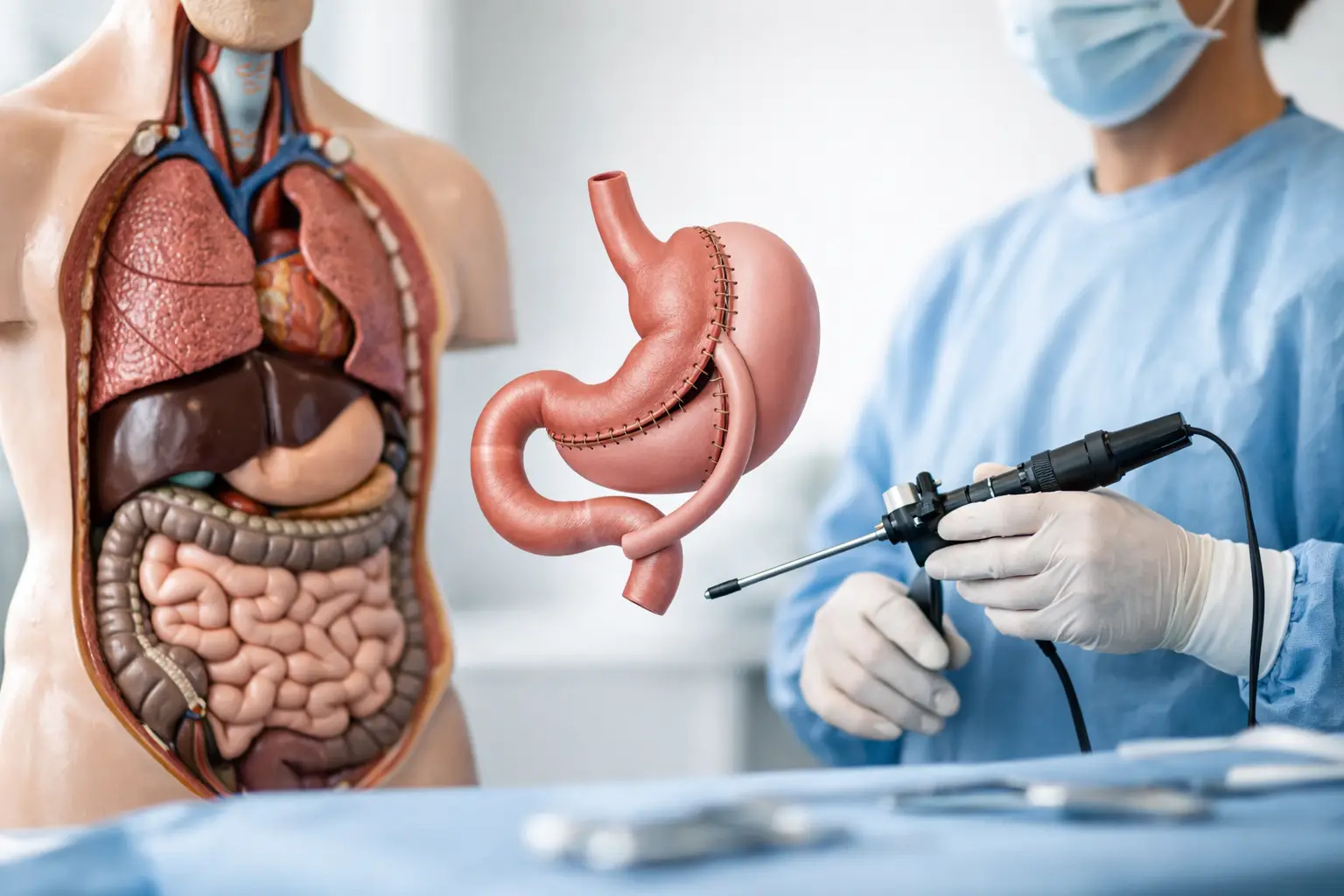
For many people, the turning point is not a lack of motivation. It is realizing that years of diets, exercise plans, and temporary weight loss have not changed the biology driving hunger, weight regain, or metabolic health. Understanding how bariatric surgery works can make the next step feel less mysterious and more like what it is: a structured medical treatment for obesity.
Bariatric surgery does not simply make the stomach smaller. Depending on the procedure, it changes how much food you can comfortably eat, how quickly food moves through the digestive system, and how hormones involved in appetite, fullness, blood sugar, and metabolism respond after meals. The result can be meaningful weight loss and improvement in obesity-related conditions when surgery is paired with lifelong nutrition, activity, and medical follow-up.
How Bariatric Surgery Works Beyond Portion Control
The stomach and intestines do much more than digest food. They send signals to the brain that influence hunger, satisfaction, insulin response, and energy balance. In people living with obesity, those signals can make sustained weight loss difficult even with sincere, consistent effort.
Bariatric procedures work through a combination of restriction and metabolic change. Restriction means the stomach holds less food, so a smaller meal can produce physical fullness. Metabolic change refers to shifts in gut hormones and the way the body handles nutrients and blood sugar. These changes help many patients feel satisfied with less food and may reduce constant hunger or food cravings.
The balance differs by procedure. A gastric sleeve primarily reduces stomach size and changes appetite-related hormone signaling. Gastric bypass procedures reduce stomach capacity while also rerouting part of the small intestine, which can create a stronger metabolic effect. Neither approach is a shortcut, and neither removes the need for long-term habits. They are tools designed to make those habits more effective and sustainable.
What Happens With Each Procedure
A bariatric surgeon recommends a procedure based on factors such as body mass index, medical history, reflux symptoms, diabetes or prediabetes, previous abdominal surgery, eating patterns, and personal treatment goals. The best procedure is not always the one that produced the fastest result for someone else.
Gastric Sleeve Surgery
During gastric sleeve surgery, also called sleeve gastrectomy, the surgeon removes a large portion of the stomach and shapes the remaining stomach into a narrow sleeve. The intestines are not rerouted.
Because the sleeve holds less food, patients reach fullness sooner. Removing part of the stomach also reduces production of ghrelin, a hormone often associated with hunger. Many patients notice that their appetite changes substantially, particularly in the early months after surgery.
The gastric sleeve is commonly chosen for its straightforward anatomy and strong weight-loss outcomes. However, it is permanent, and it may not be the right choice for someone with significant uncontrolled acid reflux. A careful preoperative evaluation helps identify whether another procedure may better support a patient’s health needs.
Gastric Bypass
Roux-en-Y gastric bypass creates a small stomach pouch and connects it to a lower section of the small intestine. Food bypasses the larger part of the stomach and the first portion of the small intestine before continuing through the digestive tract.
This procedure limits meal size and changes gut hormone signals after eating. It can be particularly effective for patients with type 2 diabetes, significant metabolic disease, or reflux concerns. Because the intestinal pathway changes, vitamin and mineral absorption requires more attention than it does after some other procedures. Daily supplements and scheduled laboratory testing are part of responsible long-term care.
Mini Gastric Bypass
Mini gastric bypass, sometimes called one-anastomosis gastric bypass, creates a slim stomach pouch and connects it farther down the small intestine using one surgical connection. Like traditional gastric bypass, it combines restriction with metabolic effects from intestinal rerouting.
For appropriately selected patients, it can offer substantial weight loss and improvement in metabolic conditions. It also has specific considerations, including the possibility of bile reflux and the need for ongoing nutritional monitoring. Your surgeon should explain both the expected benefits and the trade-offs before you decide.
Swallowable Intragastric Balloon
A swallowable intragastric balloon is not bariatric surgery, but it may be an option for adults who need a less invasive, temporary intervention. The balloon is swallowed in capsule form, filled once its placement is confirmed, and remains in the stomach for a limited period before emptying and passing naturally.
By taking up space in the stomach, the balloon can help patients feel full with smaller portions. It does not permanently change stomach anatomy or reroute the intestines. It may fit patients who are early in their treatment journey or who do not meet criteria for surgery, although it still requires medical screening, nutritional guidance, and commitment to behavior change.
Surgery Is One Part of a Carefully Planned Process
Safe bariatric care begins well before the operating room. Patients typically complete a medical history, physical examination, laboratory testing, and diagnostic evaluations as needed. The care team reviews medications, previous surgeries, sleep apnea, heart health, blood sugar, reflux, and other conditions that may affect surgical planning.
This preparation is also the time to discuss realistic expectations. Weight loss varies by procedure, starting weight, health conditions, adherence to nutrition recommendations, and individual biology. Surgery can improve mobility, energy, confidence, and metabolic health, but it cannot guarantee a specific number on the scale or replace ongoing care.
Most sleeve and bypass procedures are performed laparoscopically through small abdominal incisions under general anesthesia. Laparoscopic techniques generally support less tissue disruption and a shorter recovery than open surgery, though every operation carries risk. Bleeding, infection, blood clots, leaks, narrowing, reflux, dehydration, gallstones, nutritional deficiencies, and the need for additional treatment are among the potential complications your surgical team should discuss openly.
For patients traveling from the United States to Mexicali, planning matters just as much as the procedure itself. A quality program should clearly organize preoperative testing, transportation, accommodations when included, discharge instructions, and communication after you return home. Transparent logistics reduce stress, but they do not replace the need to follow travel restrictions and recovery guidance from your surgeon.
The First Months After Bariatric Surgery
Immediately after surgery, the digestive system needs time to heal. Patients progress through stages of liquids, protein-focused soft foods, and eventually smaller portions of solid food. The exact schedule differs by procedure and surgeon, so following your personalized plan is essential.
Hydration is a daily priority. Because the stomach is smaller, drinking enough fluid often means taking frequent small sips rather than drinking a full glass at once. Protein supports healing and helps preserve lean muscle during weight loss. Vitamins and minerals are equally important, especially after bypass procedures, where reduced absorption can increase the risk of deficiencies.
The rapid weight-loss phase often occurs during the first year, but it is not always linear. Plateaus can happen. Some foods may become less tolerable, and emotional adjustments can be significant when eating habits have long been connected to stress, celebration, or comfort. Nutrition support and regular follow-up provide practical help during these changes.
Long-Term Results Depend on Follow-Through
Bariatric surgery changes the physical conditions around eating, but it works best when patients build a new routine around that tool. This usually includes protein-forward meals, consistent hydration, movement that fits your current ability, scheduled supplements, and regular medical monitoring.
Follow-up is especially important for detecting nutritional deficiencies, monitoring blood sugar and blood pressure changes, and adjusting medications as weight loss progresses. Some patients need less medication for diabetes, hypertension, or sleep apnea after surgery, but medication changes should always be directed by qualified clinicians.
At Obesity Baja Point, the goal is not simply to perform a procedure. It is to help patients make a well-informed treatment decision with qualified surgical care, clear planning, and support that recognizes obesity as a medical condition.
The right question is not whether bariatric surgery does all the work for you. It is whether a medically supervised procedure can give your body and your daily efforts a more effective path toward better health.