Tel. (+52) 686 405 1012 USA: (+1) 442 231 0496 Mon-Sat: 8:00AM - 7:00 PM


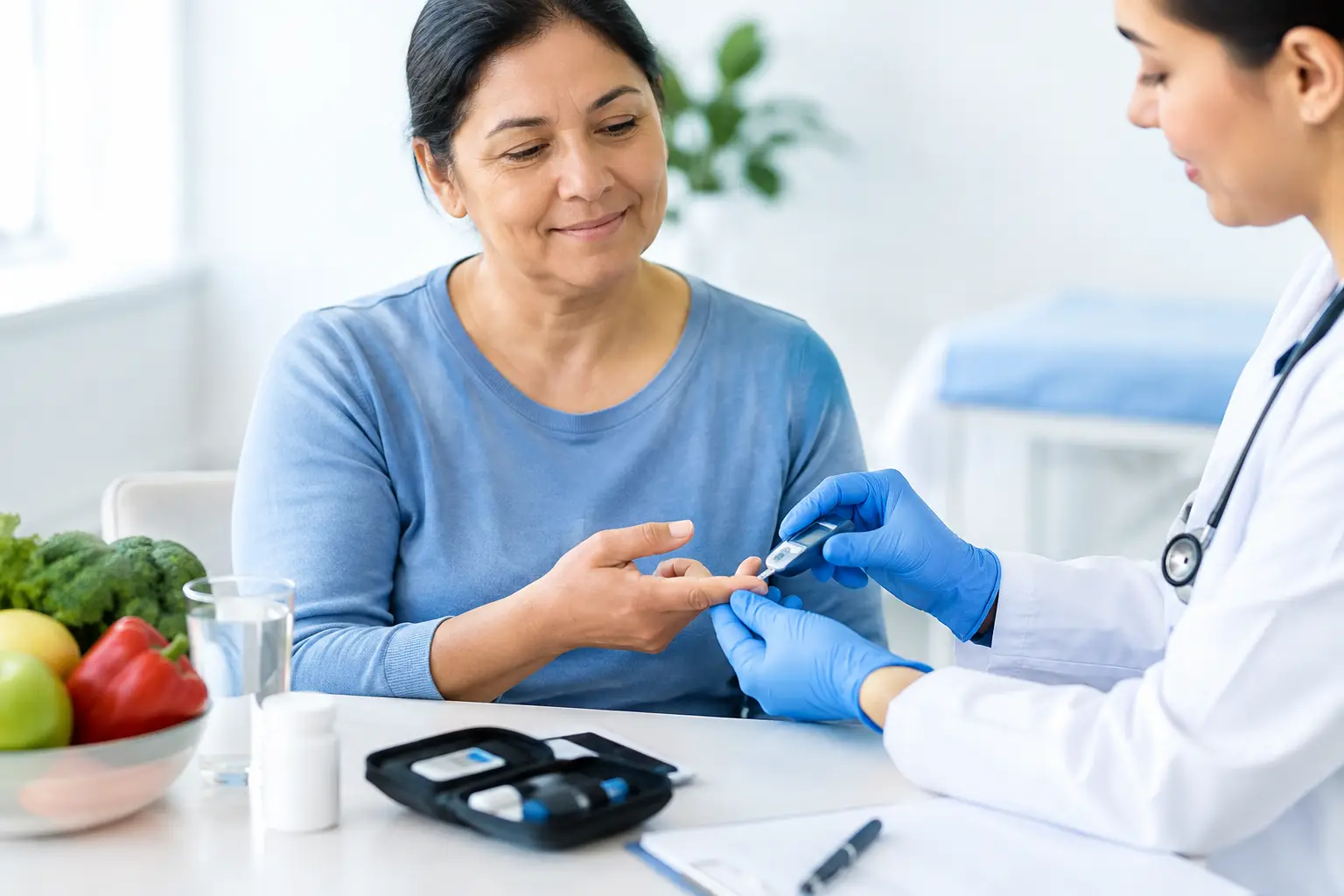
A preoperative liquid diet, an overnight fast, and a change in routine can shift blood sugar faster than many patients expect. Knowing how to manage diabetes preoperatively is not about trying to achieve perfect readings alone. It is about giving your surgeon, anesthesia provider, primary care clinician, and diabetes specialist a clear, coordinated plan that protects you before, during, and after surgery.
For patients considering bariatric surgery, this preparation carries added value. Weight-loss procedures can improve insulin resistance and reduce medication needs, sometimes soon after surgery. That benefit is meaningful, but it also means the diabetes plan you used before surgery may need to change quickly.
Why blood sugar control matters before surgery
High blood glucose can raise the risk of infection, delay wound healing, contribute to dehydration, and make recovery less predictable. Blood sugar that drops too low can be immediately dangerous, particularly when you are fasting or following a calorie-restricted preoperative diet.
The goal is not to postpone every procedure because one reading is outside the preferred range. Surgical teams assess the full picture: recent A1C results, daily glucose patterns, medications, kidney function, nutrition, symptoms, and the type of procedure planned. If glucose has been consistently very high or you have signs of acute illness, the team may recommend treatment changes or additional evaluation before moving forward.
For many adults, a perioperative glucose range of roughly 80 to 180 mg/dL is commonly used. Your personal target can differ based on your diabetes type, medication regimen, history of low blood sugar, and clinical condition. Follow the numbers and instructions provided by your own care team rather than changing treatment based on a general target.
Build a preoperative diabetes plan early
Tell the surgical team that you have diabetes as soon as you begin planning your procedure. Bring a current medication list that includes insulin, injectable medications, pills, continuous glucose monitor supplies, and over-the-counter products. Include the dose, timing, and the clinician who prescribes each medication.
A preoperative evaluation may include an A1C test, fasting glucose, kidney-function testing, an electrocardiogram when indicated, and a review of complications such as neuropathy, kidney disease, heart disease, or sleep apnea. These details help the team select safer anesthesia and glucose-monitoring plans.
If you use a glucose meter or continuous glucose monitor, keep a record of your readings for one to two weeks before your appointment. Note low readings, high readings, meal patterns, and any recent medication changes. A log gives your clinicians much more useful information than a single reading taken in the office.
Patients traveling from the United States to Mexicali should also plan for the travel days. Pack medications, glucose-testing supplies, fast-acting glucose for low blood sugar, and a written medication list in your carry-on bag. Do not place essential diabetes supplies in checked luggage. Confirm in advance how your care team wants you to handle your regimen during travel, the preoperative diet, and the morning of surgery.
Review every diabetes medication individually
Do not stop, reduce, or continue diabetes medications based on a friend’s experience or an online checklist. The correct plan depends on the medication, your usual glucose levels, whether you use insulin, and the time of your procedure.
Metformin is often held on the day of surgery or according to anesthesia instructions, especially when fasting, dehydration, or contrast imaging is involved. Sulfonylureas and other medications that can cause low blood sugar are commonly withheld when you are not eating. However, only your prescribing clinician or surgical team should give the final instruction.
SGLT2 inhibitors, such as empagliflozin, dapagliflozin, and canagliflozin, deserve special attention. These medications are generally stopped several days before surgery because they can increase the risk of euglycemic diabetic ketoacidosis, a serious condition that can occur even when glucose is not extremely high. Tell your team immediately if you develop nausea, vomiting, abdominal pain, unusual fatigue, rapid breathing, or confusion before surgery.
GLP-1 medications, including semaglutide and tirzepatide, require individualized guidance. These treatments can slow stomach emptying, which may affect anesthesia safety. Recommendations vary based on whether you use a daily or weekly medicine, have digestive symptoms, are increasing the dose, and your procedure plan. Your anesthesia and surgical teams should direct you on whether to continue or temporarily hold the medication.
Insulin plans require the most careful adjustment. Long-acting insulin is often reduced rather than stopped completely, while meal-time insulin is usually not taken when you are not eating. Insulin pumps may be continued in selected cases or replaced with a hospital insulin plan. Never skip all insulin simply because you are fasting, particularly if you have type 1 diabetes.
Prepare for the bariatric preoperative diet
A preoperative liver-shrinking diet is common before gastric sleeve, gastric bypass, or mini gastric bypass surgery. It can improve surgical access and help reduce liver size, but it can also lower blood glucose quickly. For a patient taking insulin or medications that stimulate insulin release, the risk of hypoglycemia rises as carbohydrate and calorie intake drop.
Ask for written guidance that explains the approved foods, protein targets, fluid goals, and the exact medication changes expected during the diet. Check your glucose more often while adjusting to the plan. If you experience shakiness, sweating, dizziness, weakness, headache, irritability, or confusion, check your blood sugar promptly and follow your personalized low-glucose treatment instructions.
Do not assume that a protein shake is interchangeable with another product. Some shakes contain substantially more sugar or carbohydrates than others, while some are too low in protein for the prescribed plan. The nutrition team can help you select options that fit both the bariatric preparation requirements and your diabetes needs.
What to do the day before and morning of surgery
The day before surgery, confirm your fasting time, medication plan, arrival time, and instructions for blood sugar monitoring. Set alarms if needed, especially when medication timing differs from your normal routine. Keep your meter or continuous glucose monitor supplies accessible.
On the morning of surgery, check your glucose as directed and report the result at check-in. Tell the team about any low readings, very high readings, vomiting, fever, illness, or inability to keep fluids down. These are clinical details, not inconveniences. Reporting them early gives the team time to respond safely.
Do not eat or drink outside the instructions you received, even if you are worried about a low glucose reading. Instead, contact the surgical team for guidance. Fasting rules protect your airway during anesthesia, and the appropriate treatment for low blood sugar may differ from your usual at-home approach.
If you wear a continuous glucose monitor, ask whether it can stay in place during surgery. Some devices may be affected by imaging, electrical equipment, pressure on the sensor, or hospital policy. Even when a monitor remains on, the clinical team may confirm readings with a finger-stick test.
Plan for rapid changes after surgery
After bariatric surgery, your medication needs may decrease before you see major changes on the scale. Reduced food intake and improved insulin sensitivity can lower glucose within days. That is encouraging, but it makes close monitoring essential.
Your team may ask you to check glucose several times daily during the first weeks, particularly if you use insulin. You may need lower doses, temporary medication holds, or a revised plan as you progress from clear liquids to protein-rich liquids and then solid foods. Dehydration is also a concern, so sip fluids according to your post-operative instructions and report persistent vomiting or poor intake promptly.
Keep follow-up appointments with both the bariatric program and the clinician managing your diabetes. Surgery is a powerful metabolic tool, not a reason to stop medical follow-up. At Obesity Baja Point, preoperative evaluation and nutritional support are part of building a care pathway that accounts for the realities of diabetes management before and after surgery.
A clear medication plan, frequent communication, and honest reporting of your readings can turn a stressful preoperative period into a safer start toward better metabolic health. Bring questions to your care team early, especially if your glucose pattern changes during the preoperative diet or while you travel for care.