Tel. (+52) 686 405 1012 USA: (+1) 442 231 0496 Mon-Sat: 8:00AM - 7:00 PM


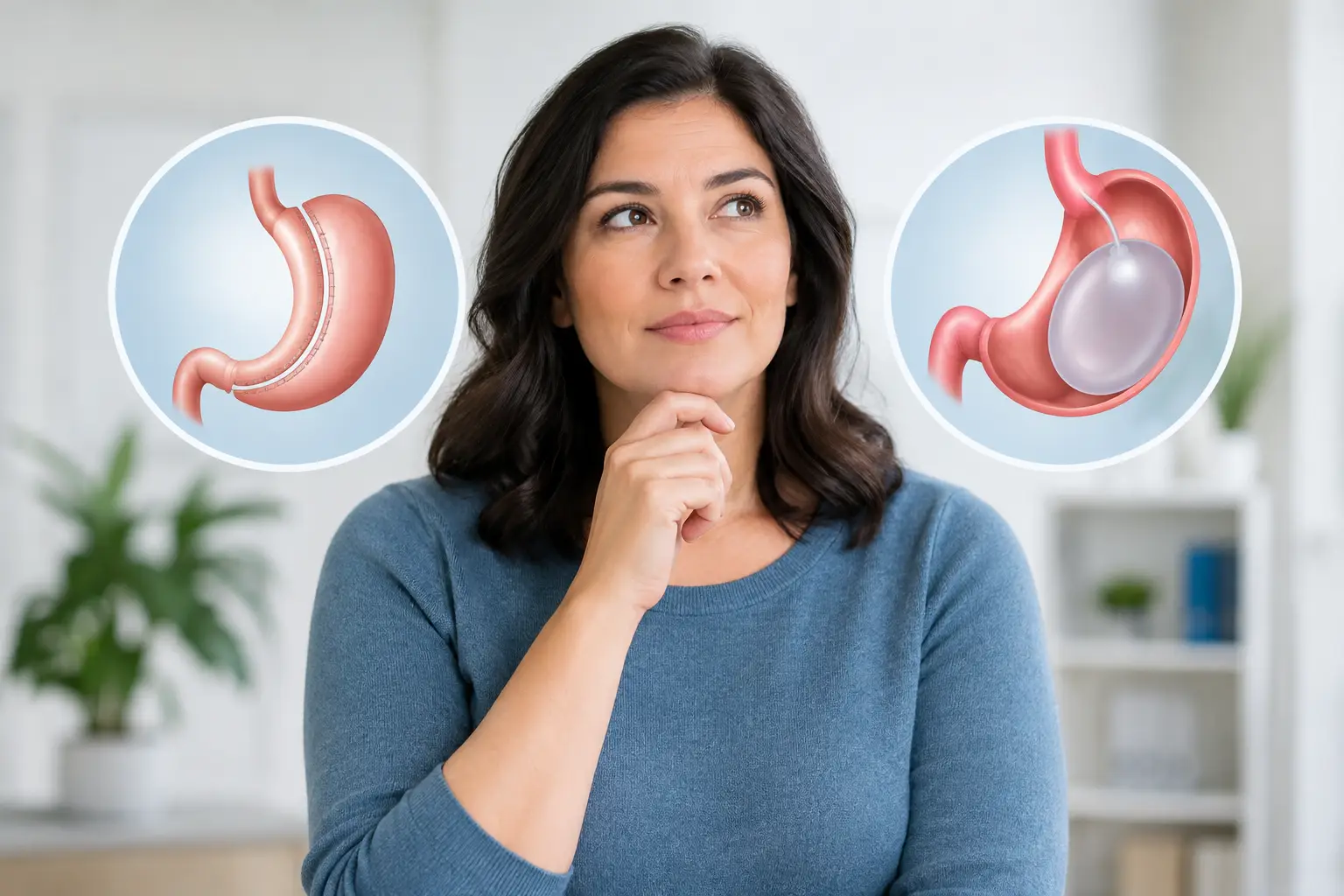
When comparing sleeve versus balloon treatment, the question is not simply which option produces faster weight loss. It is which approach matches your BMI, medical history, eating patterns, readiness for permanent change, and the level of support you need to protect your health over time. Both can be meaningful medical tools for people who have struggled to lose weight through diet and exercise alone. They are not interchangeable.
A gastric sleeve changes the anatomy of the stomach through surgery. A swallowable intragastric balloon is a temporary, non-surgical tool that takes up space in the stomach for a defined period. The right decision begins with a full medical evaluation, not a one-size-fits-all promise.
Sleeve Versus Balloon Treatment: The Core Difference
Gastric sleeve surgery, also called sleeve gastrectomy, removes a large portion of the stomach and leaves a narrow, sleeve-shaped stomach. This limits meal volume and changes gut-hormone signaling involved in hunger, fullness, and blood-sugar regulation. It is a permanent procedure performed laparoscopically under anesthesia.
A swallowable balloon is placed by swallowing a capsule that contains the balloon. Once its position is confirmed and it is filled, the balloon occupies space in the stomach to help a patient feel full sooner. It remains in place temporarily, then is designed to deflate and pass naturally. No incision, endoscopy, or anesthesia is typically required for placement or removal in a swallowable balloon program.
That difference affects nearly every part of the decision: expected weight loss, recovery, cost, follow-up, and the commitment required after treatment.
Expected Weight Loss and Health Effects
A gastric sleeve generally produces greater and more durable weight loss than a balloon because it permanently changes stomach capacity and metabolic signaling. Individual results vary, but sleeve surgery is often considered for patients with a higher BMI, significant obesity-related conditions, or a long history of weight regain after non-surgical programs.
For many patients, sleeve surgery can support improvements in conditions associated with obesity, including type 2 diabetes, high blood pressure, sleep apnea, fatty liver disease, joint pain, and mobility limitations. Those improvements are not guaranteed, and medications may still be needed. However, metabolic benefit is one reason bariatric surgery is evaluated as more than a cosmetic weight-loss procedure.
A balloon can help patients begin a clinically structured weight-loss program without surgery. It may be appropriate for an adult with a BMI in a lower treatment range, including some people with a BMI of 30 to 40, who wants a temporary intervention paired with nutrition and behavior support. It can also help someone build momentum before a major health event or prepare for later surgery when a surgeon believes preoperative weight loss would improve safety.
The trade-off is durability. When the balloon leaves the body, its physical appetite-control effect is gone. Lasting results depend heavily on habits established during treatment: planned meals, protein intake, hydration, movement, sleep, and ongoing accountability. These habits matter after sleeve surgery too, but the sleeve continues to provide a permanent physical and hormonal tool.
Recovery, Eating Changes, and Daily Life
Recovery after gastric sleeve requires more planning. Patients need preoperative testing, anesthesia clearance, surgery, and a carefully staged postoperative diet that progresses from liquids to soft foods and then regular bariatric portions. Time away from work varies by the demands of the job and the individual recovery process. Laparoscopic surgery uses small incisions, but it remains major abdominal surgery and should be approached accordingly.
After a sleeve, eating becomes structured for life. Portions are much smaller, protein is prioritized, and vitamin and mineral supplementation is usually part of long-term care. Eating too quickly, choosing calorie-dense foods, or drinking carbonated beverages may cause discomfort or undermine results. Follow-up lab work and nutrition support are essential.
A swallowable balloon has a shorter and less invasive recovery path, but it is not effortless. The first days can involve nausea, cramping, reflux, or discomfort while the body adjusts. Some patients require medication and close clinical communication during that period. The same behavior changes that support bariatric success still apply: mindful portions, protein-forward meals, regular hydration, and a realistic movement plan.
For a patient who cannot take time away for surgery or who strongly prefers to avoid anesthesia, the balloon may feel more accessible. For someone prepared for a permanent intervention and a more intensive recovery in exchange for stronger long-term weight-loss potential, sleeve surgery may be the better fit.
Who May Be a Candidate for Each Option?
Candidacy is based on more than a number on the scale. A bariatric team reviews BMI, prior weight-loss attempts, medical conditions, medications, surgical history, eating behavior, emotional readiness, and the ability to participate in follow-up care.
Gastric sleeve may be considered for adults with obesity who have not achieved sustainable results with non-surgical treatment, particularly those with a BMI of 35 or higher or a BMI of 30 or higher with obesity-related metabolic disease. Eligibility standards vary, and a specialist should determine whether surgery is medically appropriate.
A balloon may be considered for adults seeking a temporary, non-surgical intervention who are willing to work closely with a nutrition and lifestyle program. It is not appropriate for everyone. Certain gastrointestinal conditions, previous stomach surgery, swallowing disorders, pregnancy, and other medical factors may affect eligibility.
The best candidate for either option understands that treatment is not a substitute for care after treatment. A procedure can reduce physical barriers to weight loss. It cannot by itself resolve stress eating, untreated depression, inconsistent meal patterns, or an environment that makes healthy choices difficult. Those issues deserve respectful clinical attention, not judgment.
Cost and Travel Considerations for US Patients
For US patients considering care in Mexicali, transparent planning matters. The procedure price is only one part of the decision. Ask what is included in the package, such as preoperative testing, surgeon and anesthesia fees, hospital care, medications, nutrition support, transportation, and lodging when applicable. You should also understand what follow-up is available once you return home.
A balloon program may have a lower upfront cost than surgery, but it is still a medical treatment that should include structured clinical support. Sleeve surgery carries a higher initial investment because it involves an operating room, anesthesia, surgical care, and a more extensive recovery process. Its longer-term value may be different for a patient who needs substantial, sustained weight loss or management of metabolic disease.
At Obesity Baja Point, patients are evaluated with attention to both clinical needs and the practical details of cross-border care. A well-organized plan should make room for your medical records, travel schedule, recovery arrangements, and questions about who to contact after you return home.
Questions That Clarify the Decision
During a consultation, ask how much weight loss is realistic for your starting point, what conditions may improve, and what changes you will need to maintain. Ask about risks specific to your health history, including reflux, nutritional needs, medication adjustments, and pregnancy planning. It is also reasonable to ask how complications are handled and what follow-up schedule is recommended.
For sleeve surgery, discuss whether you have significant reflux symptoms, because reflux can worsen for some patients after a sleeve. For a balloon, ask what symptoms are expected during the adjustment period and what happens if the balloon is not tolerated. Clear answers are a sign of patient-centered care.
The better choice is rarely the least invasive option or the option with the biggest advertised result. It is the treatment you can safely undergo, fully understand, and support with lasting changes. A thorough consultation can turn uncertainty into a plan that respects both your health goals and your real life.